 Nexus 11
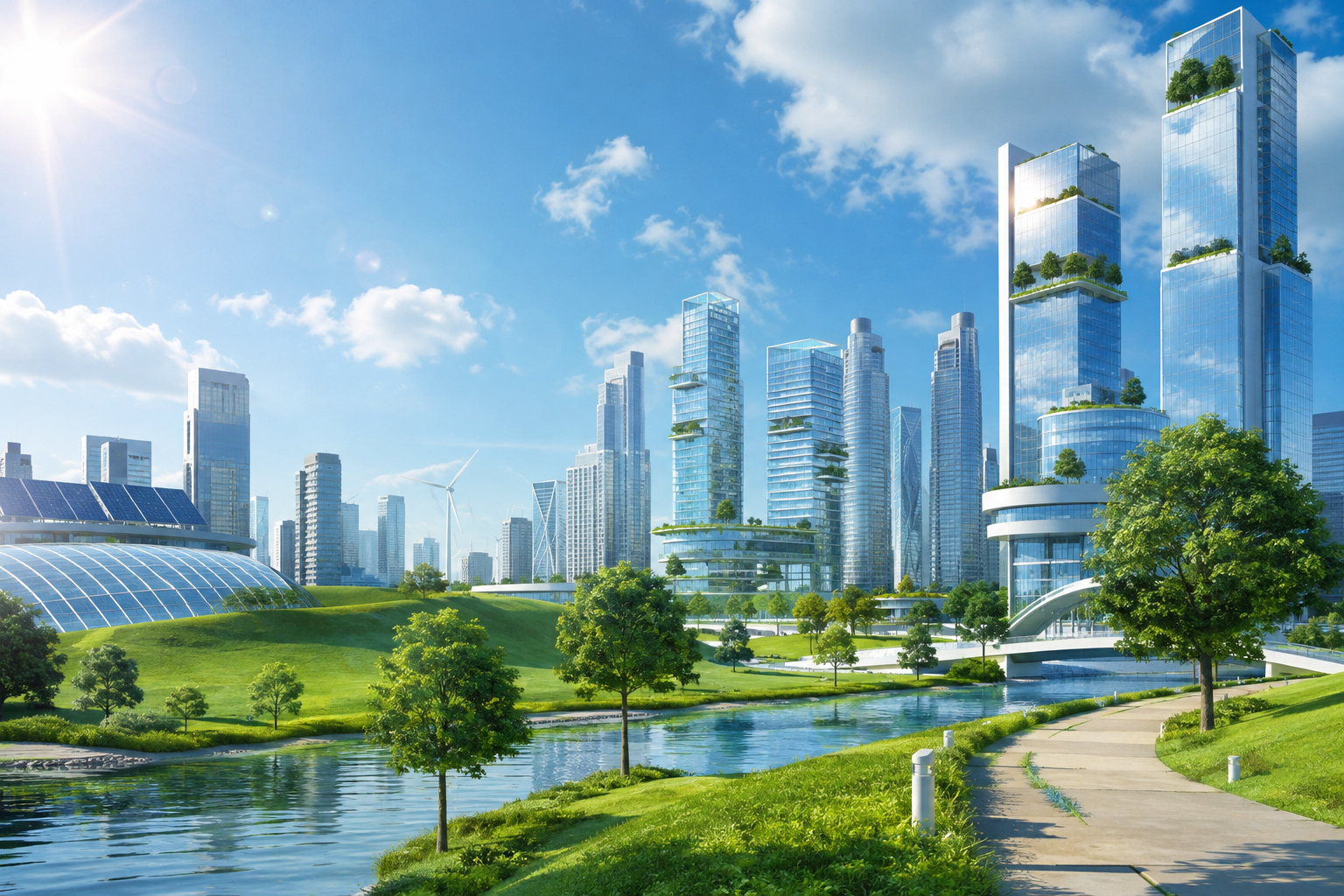
Rapid urbanization and population scaling present critical challenges in establishing sustainable metropolises. Systemic vulnerabilities include inadequate infrastructure, inefficient resource management, pollution saturation, and social inequality.
To achieve United Nations SDG 11—ensuring cities are inclusive, safe, resilient, and sustainable—radical engineering and ecological frameworks must be deployed. The objective is transitioning urban centers into high-efficiency environments capable of supporting a Type 1 civilization.
Strategic engineering frameworks for sustainable urban resilience.
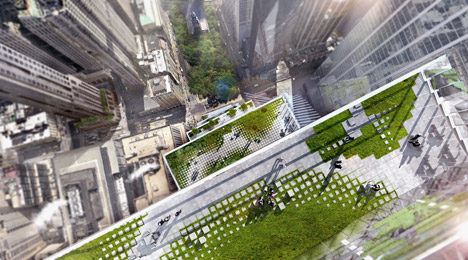
Urban density eradicates green space, triggering heat island intensity and poor air quality.
Integrate high-density arboriculture into structural architecture. Vertical forests capture carbon, regulate thermal loads, and restore localized biodiversity.

Analog waste logistics drive emissions and cripple material recycling yields.
Deploy IoT fill-sensors and AI-driven sorting matrices. Real-time telemetry optimizes municipal collection paths, minimizing diesel emissions and maximizing material recovery.

Reliance on external fossil fuel grids leaves cities susceptible to brownouts and massive carbon footprints.
Convert passive surfaces into energy harvesters. Embed photovoltaic road segments, vertical-axis micro turbines, and decentralized geothermal loops directly into the civic footprint.

Impermeable concrete triggers lethal flash floods and blocks subterranean aquifer recharge.
Engineer sponge-city dynamics. Implement bioretention cells, permeable roadway layers, and closed-loop greywater recycling to stabilize local hydrological cycles.
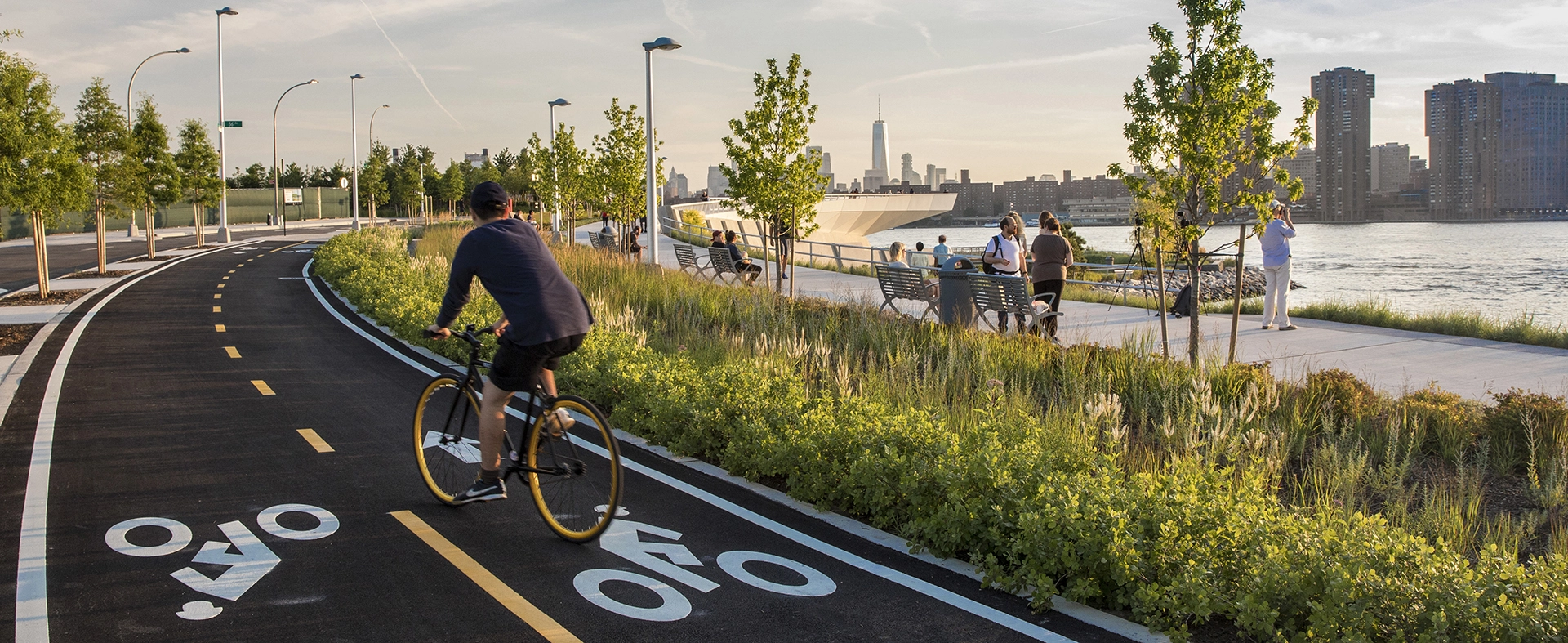
Combustion-engine dependency causes chronic gridlock and high particulate matter saturation.
Deploy autonomous electric MaaS (Mobility-as-a-Service) fleets and grade-separated active transit spines. Apply dynamic congestion algorithms to optimize flow.

Dense populations rely on fragile, high-emission global logistics chains for basic food security.
Activate localized hydroponic rooftops and subterranean vertical farms. Utilize municipal organic waste recovery to fuel closed-loop urban nutritional cultivation.
 watsonx
The SDG 11 urban resilience initiatives and strategic solutions presented in this module were synthesized utilizing IBM's Granite foundation models via the WatsonX prompt lab. Engineered for high-fidelity instruction following and enterprise-scale analytics.
Verified achievement demonstrating advanced proficiency in deploying, scaling, and managing enterprise-grade Agentic AI of IBM ecosystems.
Agentic AI Credential
A Type 1 Civilization harnesses the complete energy output of its home planet. To sustain this scale, mobility frameworks must achieve absolute zero-loss efficiency, eliminating fossil fuels, localized friction, and spatial bottlenecks. Below is the blueprint for a globally unified transit ecosystem.
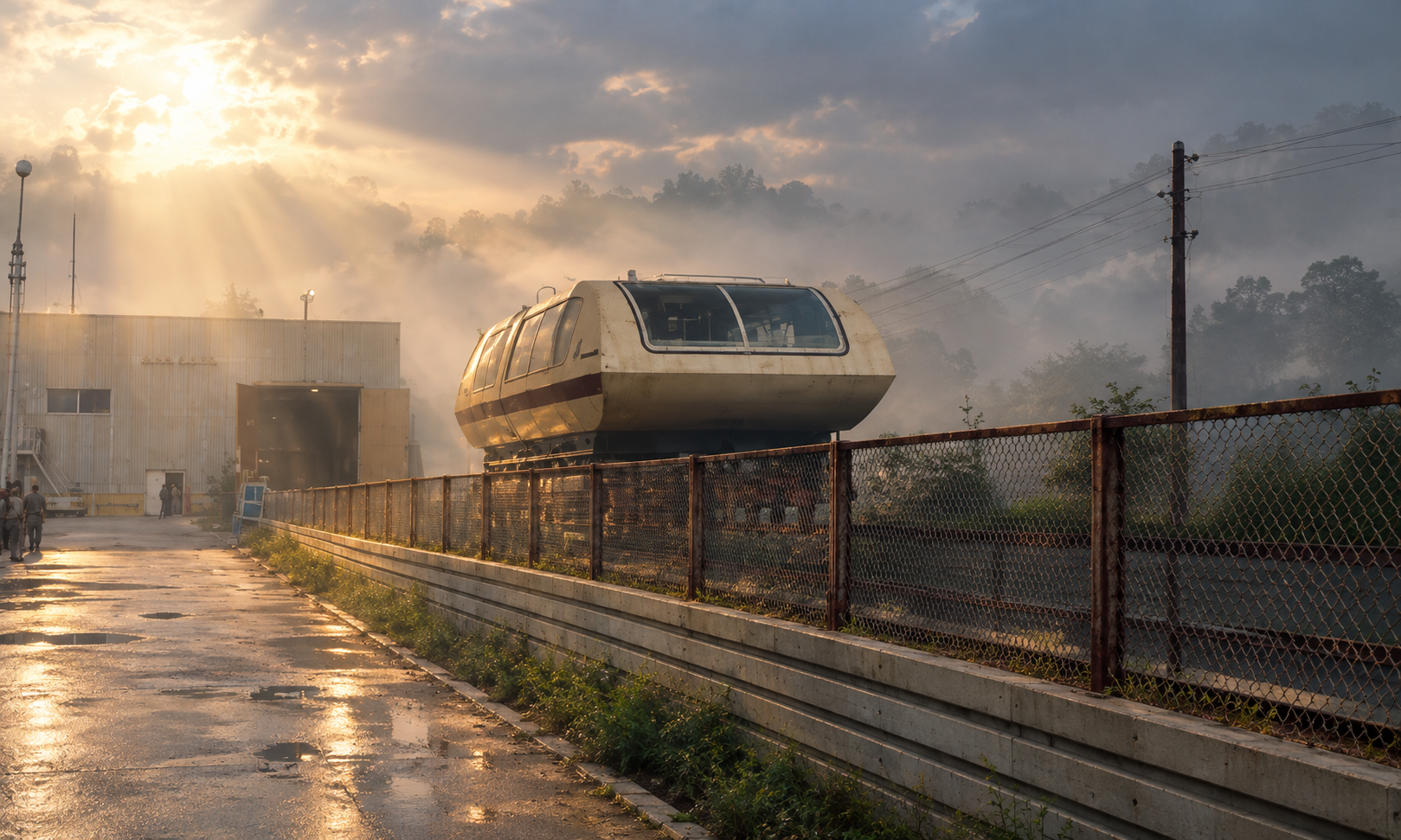
Traditional asphalt is replaced by self-healing, piezoelectric smart metamaterials that generate power from vehicle weight. Roads act as massive wireless inductive chargers. Vehicles utilize magnetic levitation (maglev) plates, eliminating tire friction and allowing AI-synchronized swarm routing to eradicate traffic congestion entirely.
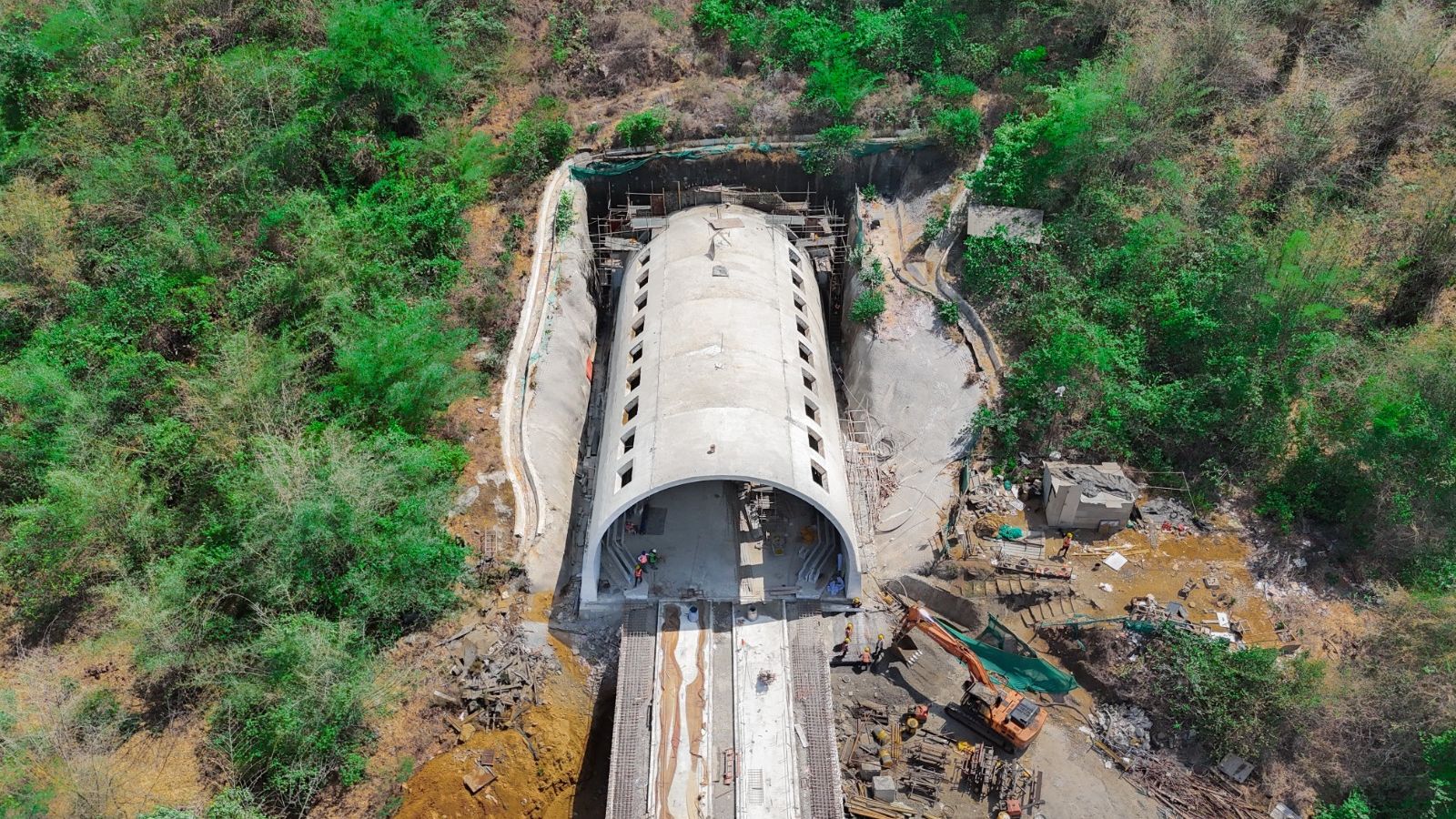
Global logistics and mass transit operate within subterranean and trans-oceanic vacuum tubes. By removing air resistance and utilizing superconducting magnetic levitation, these hyperspeed rail systems transport millions of citizens between continents in hours, powered directly by deep geothermal taps and structural solar skins.
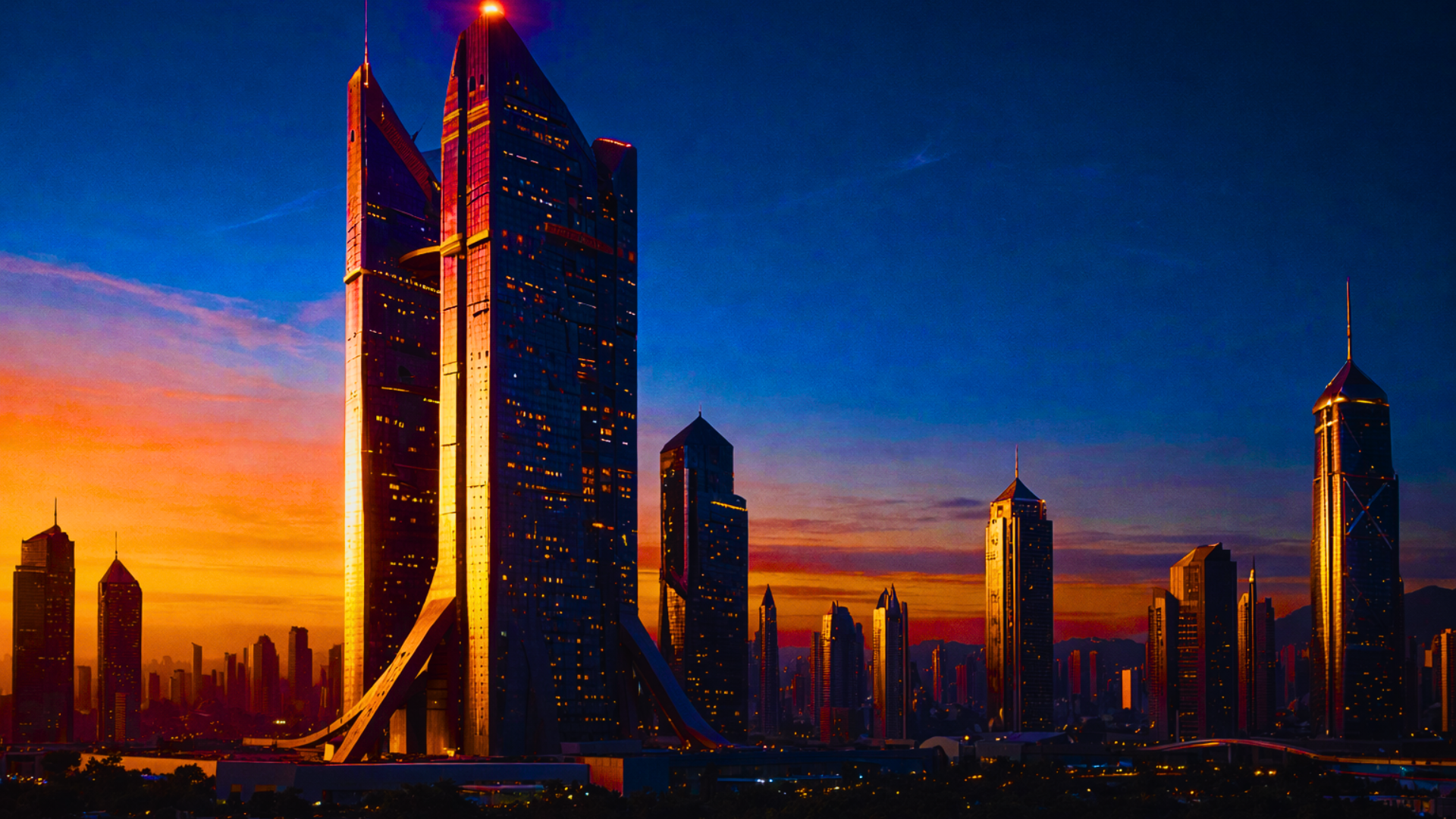
Massive concrete airports are replaced by vertical, building-integrated skyports (VTOL hubs). Autonomous Aerial Vehicles (AAVs) manage local flight, while intercity travel relies on hypersonic hydrogen-electric liners flying in the stratosphere, governed by a globally unified, AI-managed airspace matrix.

Combustion rockets are obsolete. Terrestrial transit seamlessly connects to carbon-nanotube Space Elevators anchored at the equator. These ascend directly into a habitable Orbital Ring—a massive transit gateway ringing the Earth, serving as the primary launch point for Mars, Lunar colonies, and asteroid mining operations.
A Type 1 Civilization operates on a zero-loss closed-loop hydrological cycle. Freshwater scarcity is eliminated through atmospheric harvesting, molecular-level graphene filtration, and hyper-permeable urban surfaces. Below is the blueprint for a globally unified, water-sensitive ecosystem.
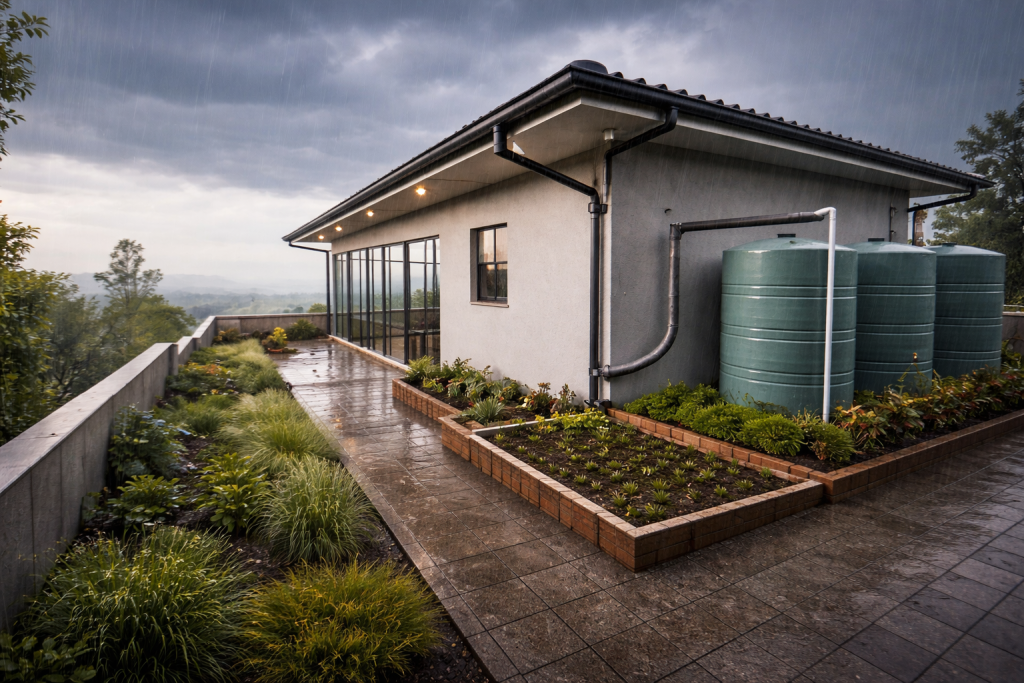
City skylines double as passive water generators. Building facades are coated in hydrophilic metamaterials that extract and condense humidity directly from the atmosphere, channeling purified water straight into the civic grid without depleting natural lakes or rivers.
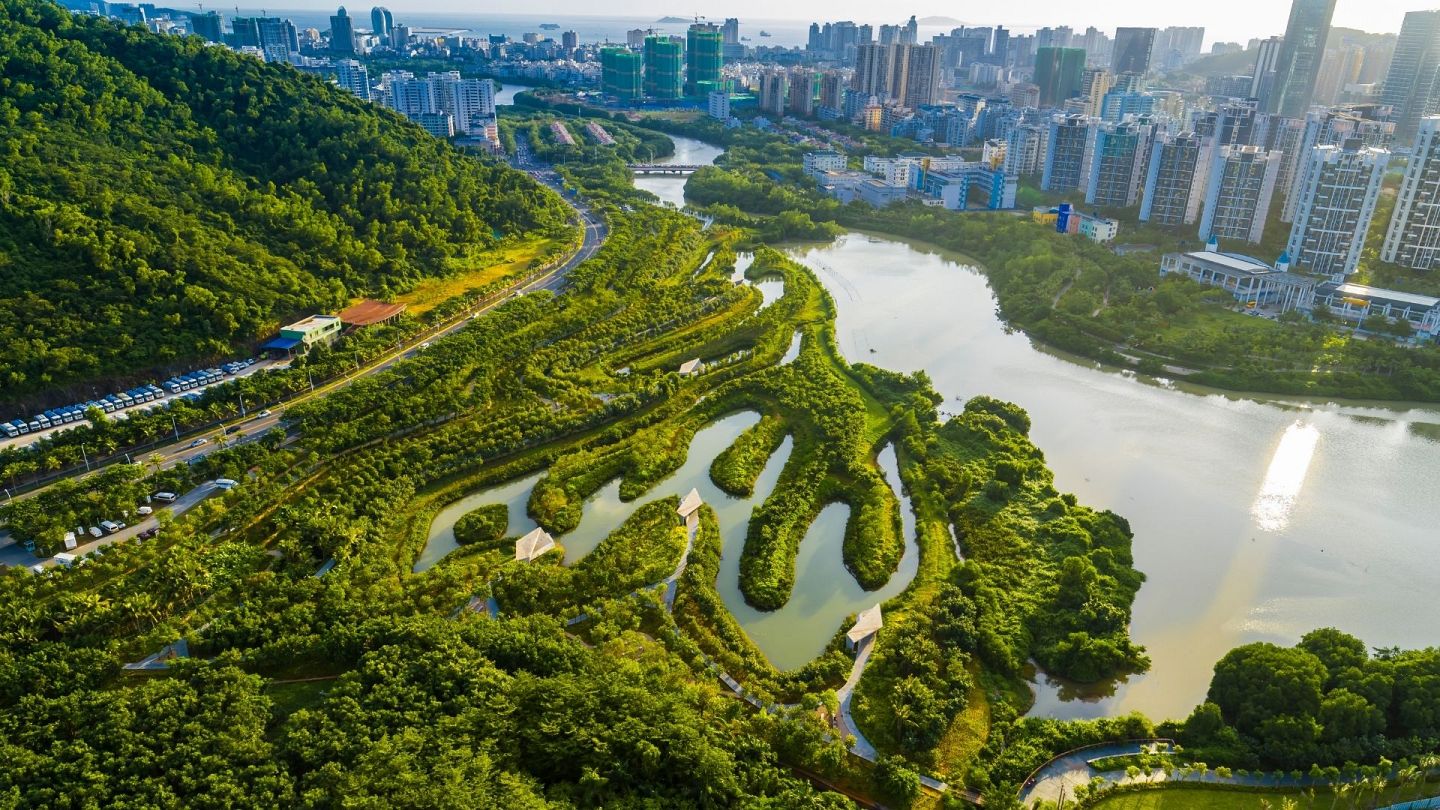
All urban surfaces are constructed from nanotech permeable composites. Rainwater instantly passes through roadways and plazas into vast, subterranean bio-filtered aquifers. Flash flooding is mathematically impossible, and natural groundwater levels are continuously restored.

Waste water is an obsolete concept. District-level filtration nodes utilize atomic-scale graphene sieves to strip contaminants, pathogens, and heavy metals instantly. 100% of municipal greywater is purified to medical-grade standards and recirculated into the system within minutes.

Coastal metropolises are protected by submerged, kinetic sea walls powered by wave energy. Driven by predictive climate AI, these barriers dynamically rise to absorb catastrophic storm surges and tidal shifts, preserving urban perimeters while allowing natural marine life to pass seamlessly.
A Type 1 Civilization decouples food production from unpredictable natural climates and land-intensive traditional farming. By engineering closed-loop, hyper-dense nutritional matrices, metropolises evolve into 100% self-sustaining biomachines capable of feeding billions with zero ecological degradation.
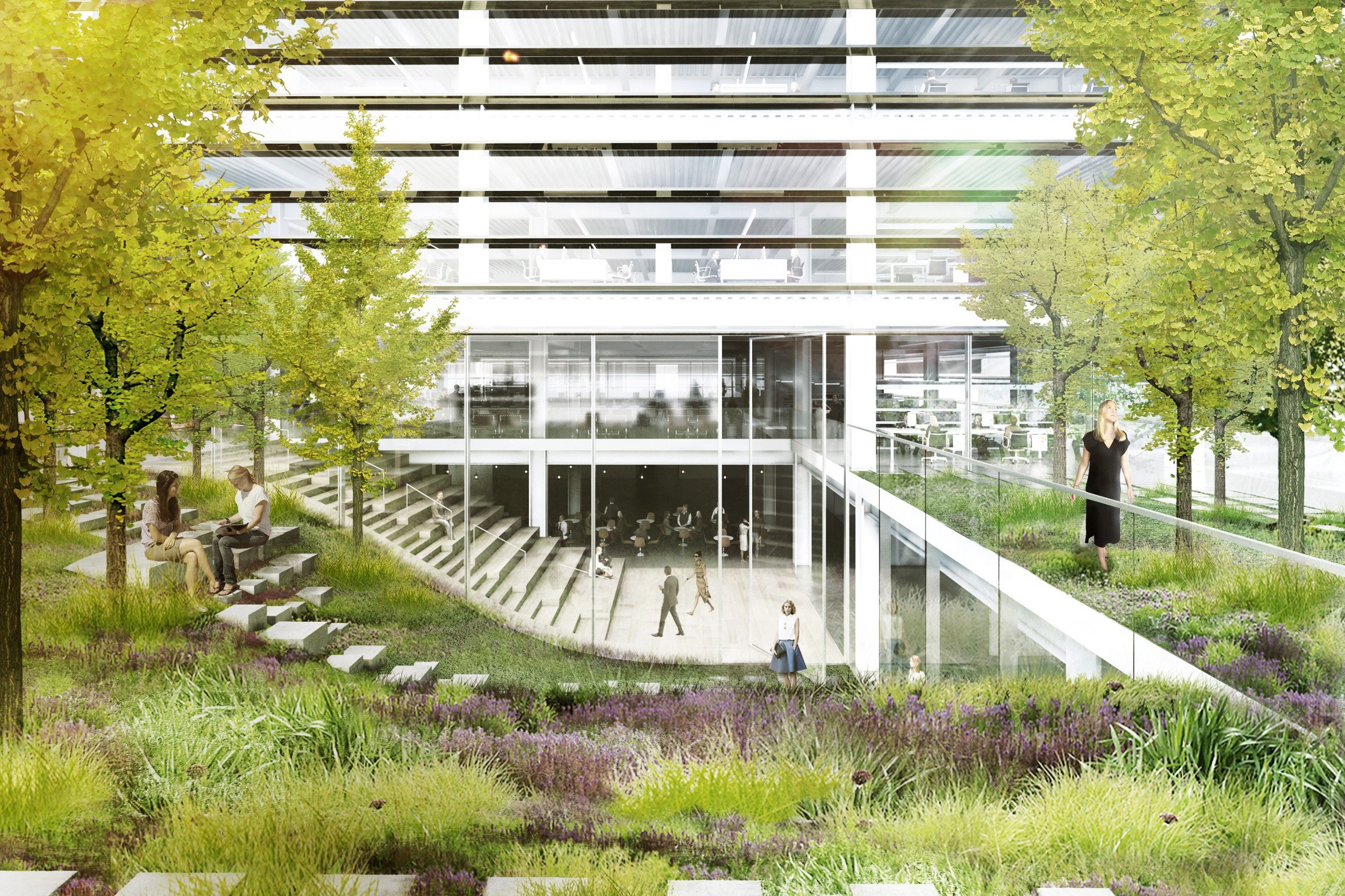
Agricultural sprawl is reclaimed by nature. High-rise agronomy towers cultivate organic produce in climate-isolated, sterile environments. Plant roots are suspended in air and misted with precise nutrient algorithms, completely bypassing the need for soil and eliminating agricultural runoff.

Resource-heavy livestock farming is replaced by precision cellular agriculture. High-grade proteins and meats are cultivated directly from cell cultures in sterile, automated bioreactors. This eradicates the methane emissions, deforestation, and ethical concerns associated with traditional animal agriculture.

Human labor is elevated to system oversight while micro-drone swarms and robotic tendrils manage the physical crops. These AI-driven units monitor individual plant health via multi-spectral imaging, delivering micro-doses of nutrients exactly when needed and harvesting at the absolute peak of nutritional density.

Unused subterranean civic levels are transformed into massive bioluminescent algae and fungal networks. These highly efficient organisms act as dual-purpose engines: synthesizing hyper-caloric nutritional pastes and bioplastics while simultaneously scrubbing massive volumes of CO2 from the urban atmosphere.
To achieve Kardashev Type 1 status, a civilization must capture and utilize the total energy output available on its home planet. This requires entirely decommissioning centralized, combustion-based grids and deploying a decentralized, zero-emission, multi-tiered harvesting matrix covering the surface, subterranean depths, and orbital space.

Surface solar panels are bottlenecked by weather and atmospheric scattering. A Type 1 civilization deploys massive photovoltaic arrays in geosynchronous orbit. Basking in uninterrupted, 24/7 solar radiation, these arrays beam colossal amounts of energy back to terrestrial rectenna grids via highly focused microwave frequencies.

Every square meter of the civic footprint becomes an active generator. High-footfall pedestrian plazas, autonomous transit corridors, and structural foundation dampers are embedded with piezoelectric metamaterials, instantly converting the ambient kinetic friction of the bustling metropolis into usable grid electricity.

To provide an unbreakable baseload power supply, advanced drilling robotics penetrate deeply into the Earth's crust, tapping directly into mantle heat dynamics. Closed-loop, super-critical CO2 turbines use this extreme thermal differential to generate massive megawattage entirely independent of surface conditions.

Vulnerable, monolithic power plants are replaced by a decentralized mesh of magnetic-confinement micro-fusion reactors embedded at the district level. Utilizing abundant hydrogen isotopes extracted from seawater, these nodes provide clean, virtually limitless peak power with zero risk of meltdown or long-lived radioactive waste.
In a Type 1 Civilization, the concept of "waste" is mathematically eliminated. The urban ecosystem operates on a flawless, closed-loop circular economy where every byproduct is instantly cataloged, deconstructed, and upcycled into raw operational material. Landfills are obsolete.

Diesel collection fleets and street-level bins are entirely replaced by an underground, high-velocity pneumatic tube network. Waste is deposited at the source—residential units and civic zones—and instantly vacuumed at 100 km/h directly to decentralized processing nodes, eradicating collection emissions and odor.

At the processing nodes, mixed materials are analyzed via hyperspectral imaging and X-ray fluorescence. High-speed robotic tendrils and targeted pneumatic bursts categorize elements down to their molecular composition with zero error, routing pure material streams for immediate industrial reuse.
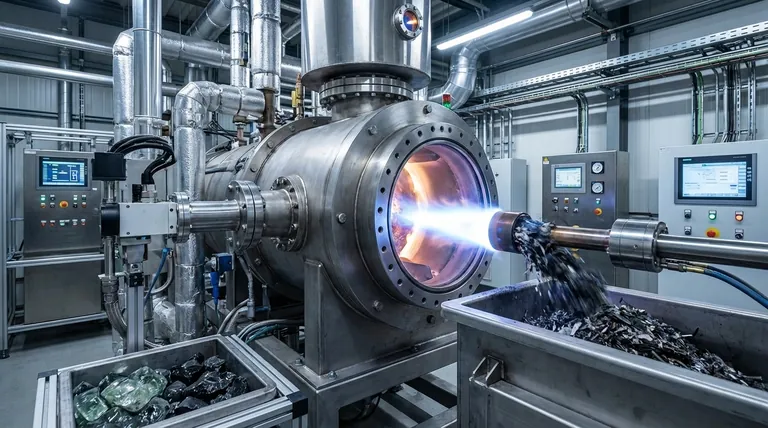
Unrecyclable or highly hazardous compounds bypass incinerators and are instead subjected to 10,000°C plasma arcs. This extreme heat vaporizes the waste entirely, breaking complex molecules into usable synthetic gas (syngas) for power generation, while heavy elements melt into an inert, vitrified slag used for road construction.

To combat synthetic plastics, the ecosystem employs bio-engineered enzymes and nanobots that rapidly digest complex polymers. Within hours, these bio-agents break plastics down into their original monomer building blocks, which are immediately funneled into 3D-printing reservoirs to manufacture new civic assets.
A Type 1 Civilization does not pave over the natural world; it merges with it. Megacities act as living, breathing extensions of the global biosphere. By weaving synthetic biology and structural arboriculture directly into the civic framework, urban centers become massive carbon sinks, micro-climate regulators, and sanctuaries for planetary biodiversity.
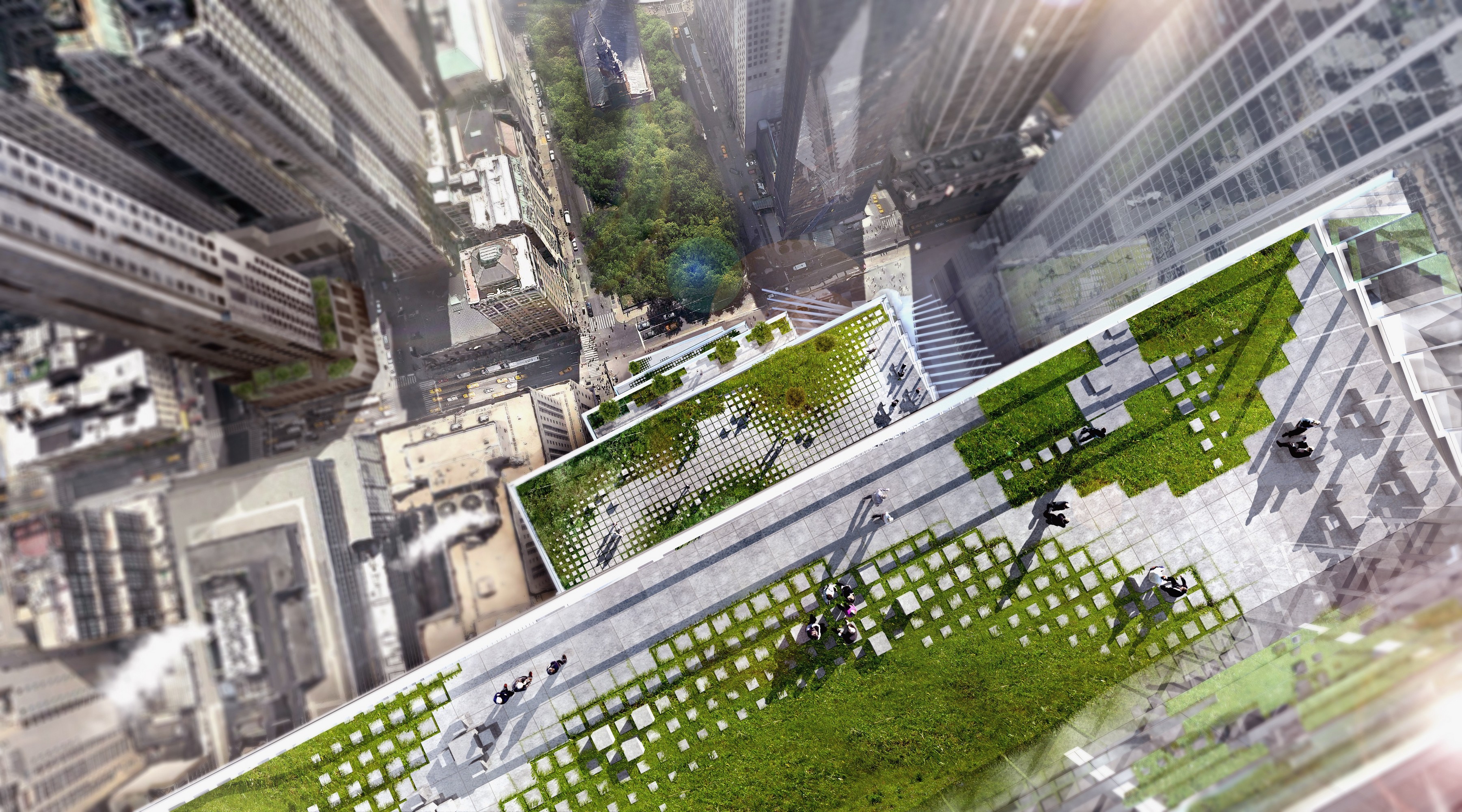
Buildings are no longer static objects; they are synthetic mega-flora. Genetic engineering allows specialized, hyper-dense tree root systems to weave symbiotically with self-healing concrete and graphene frameworks, creating living structures that actively sequester gigatons of carbon while reinforcing the building's tensile strength.

Energy-intensive street lighting is entirely decommissioned. Urban avenues and vertical parks are populated with gene-edited bioluminescent flora that emit a soft, ambient glow. This passive lighting network responds dynamically to atmospheric conditions and pedestrian movement, eliminating civic light pollution and restoring the night sky.

The urban heat island effect is neutralized. Distributed AI swarms manipulate automated misting arrays embedded in vertical forests, triggering rapid evaporation cycles. Paired with massive green canopies, these systems instantly drop localized temperatures by up to 8°C and scrub 99.9% of airborne particulates.

The city is a habitat, not a barrier. Multi-tiered aerial bridges and subterranean greenways traverse the entire metropolis, ensuring planetary migration routes remain unbroken. A thriving, pre-industrial level of biodiversity flourishes directly alongside high-density human habitation, monitored silently by ecological AI.